Statement Issued by Lawyers for JusticeRegarding the Circulation of Fabricated Posts Attributed to the Organization and Its Director
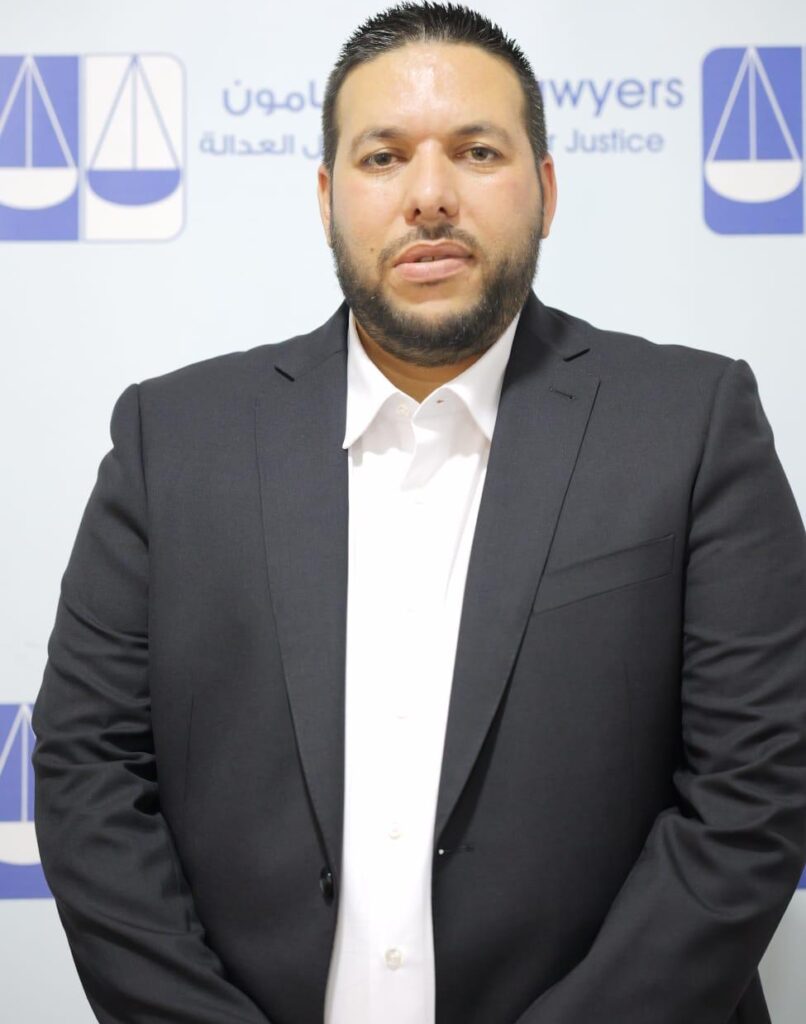
Lawyers for Justice declares that, as part of its efforts to refute and disprove the false allegations made by suspicious social-media pages—which have attributed fabricated posts to the organization and to its director, Advocate Mohannad Karajah, particularly on Facebook—it has initiated legal procedures to pursue those involved in creating and promoting false and misleading content aimed at undermining its human-rights work and legal activities in the defense of human rights. In this context, the organization announces that it has contacted several international human-rights institutions and organizations, which have in turn referred all fabricated materials to their specialized departments to verify the authenticity and origin of the posts. These organizations are currently coordinating with Facebook’s headquarters to establish the true source of the content, identify those responsible for producing and disseminating it—including individuals located in several countries who appear to be acting under instructions and directives intended to deter the organization from continuing its human-rights mission and to deviate it from its rights-based path. In this same context, Lawyers for Justice calls on all competent authorities to fulfill their responsibilities in verifying the authenticity of these posts using the means and tools at their disposal, rather than being drawn behind fabricated content—particularly since Lawyers for Justice is widely known for its legal integrity and human-rights discourse aligned with international human-rights standards. The organization also notes that throughout its years of work, it has faced numerous campaigns and conspiracies intended to undermine it, manipulate its positions, or pressure it into abandoning its principled commitment to human rights. Accordingly, the organization affirms that it awaits the outcomes of the specialized investigations and correspondences regarding these fabricated posts, and reiterates that it will take legal action against any individual or entity proven to be involved. The results of these inquiries will be published on the organization’s official page. The organization further clarifies that it has been operating in the cities of the occupied West Bank since its establishment, and that circumstances have never allowed it to work in the Gaza Strip—particularly given that it is not registered as an institution, organization, or association with the Palestinian Ministry of Interior.
Training for Human Rights and Legal Activists on Documenting Violations in Bedouin Communities Classified as Area (C)
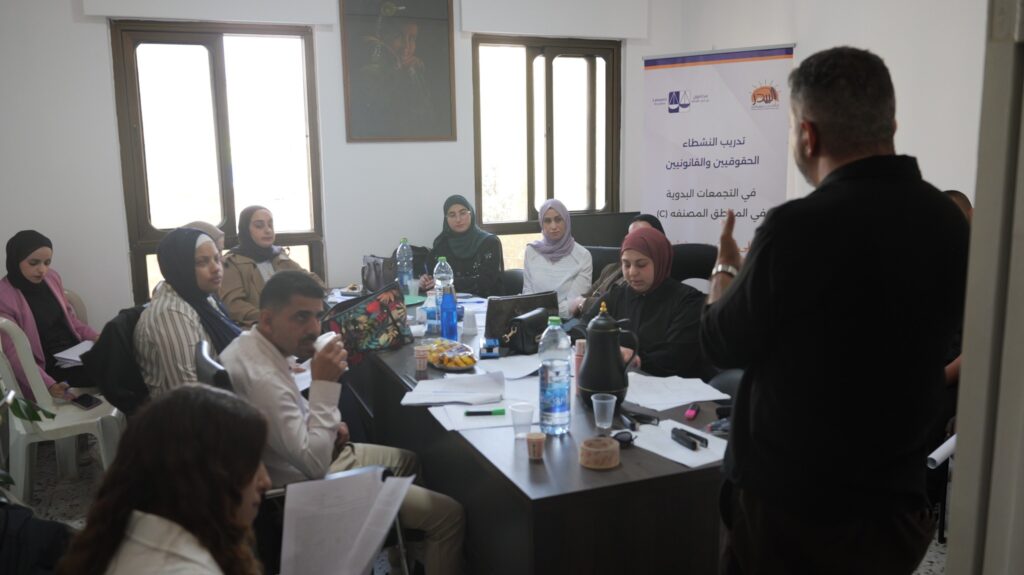
The Al-Baidar Association for Defending Bedouin Rights, in partnership with Lawyers for Justice, held a specialized training on mechanisms for monitoring and documenting violations in Area (C), with the participation of 19 trainees including activists, human-rights defenders, and legal practitioners from the South Hebron and Jordan Valley areas. The training focused on the importance of professional documentation of the violations faced by residents in these areas, and on how such documentation can be used for advocacy and amplifying their voices at the international level. This training comes as part of a project supported by the Government of Canada, which aims to empower local actors and enhance protection in threatened areas.
Statement issued by Lawyers for Justice on the Postponement of the Trial of the Defendants in the Killing of Political Activist Nizar Banat
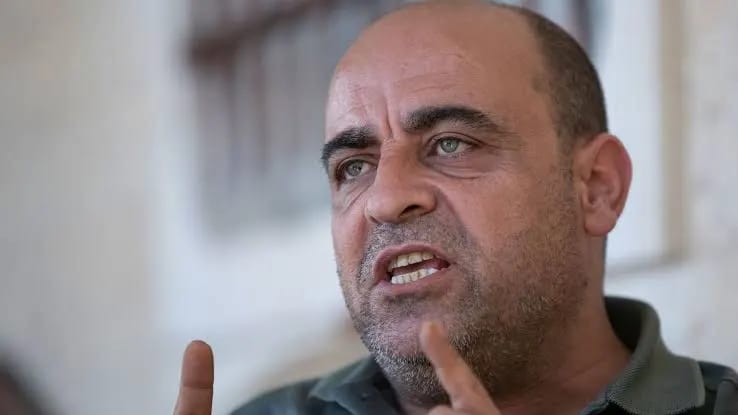
On the morning of Monday, September 29, 2025, a hearing was held in the trial of the defendants accused of killing the late political and human rights activist Nizar Banat. During the session, the defense attorney for the defendants requested additional time to present the defense evidence and to summon Dr. Mohammad Al-Shalaldeh, former Minister of Justice and head of the investigative committee formed by the Palestinian Authority following the assassination incident, to testify. It should be noted that this is the third hearing that has been postponed for the same reason due to the absence of the aforementioned witness. The group believes that the continued postponements without any progress in the trial proceedings conflict with the guarantees of a fair trial, which require a swift process that respects the rights of all parties—particularly the rights of the late activist Banat, his family, and Palestinian society as a whole. At the conclusion of the proceedings, the court decided to adjourn the session until October 6, 2025. Lawyers for Justice29.9.2025
Position Paper by Lawyers for Justice On Rejecting the Siege Imposed on the Population of the West Bank and the Israeli Prime Minister’s Decision to Close the Karameh (Allenby) Crossing
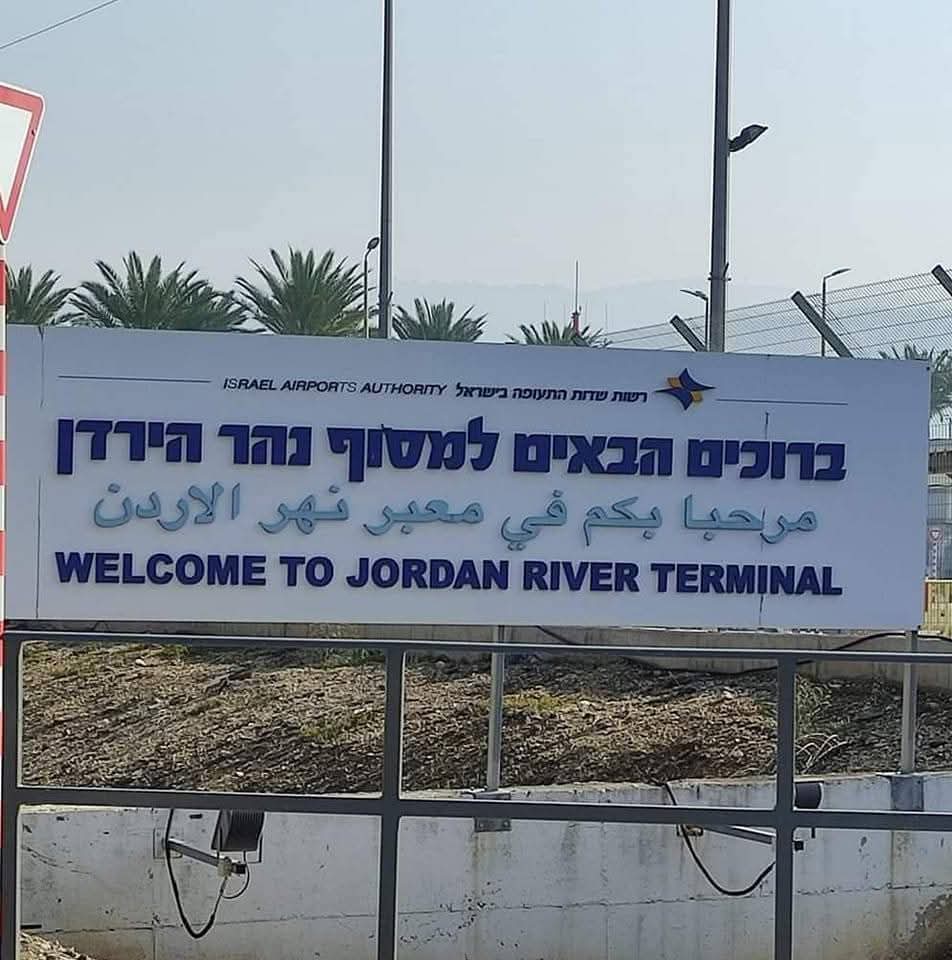
Introduction Lawyers for Justice follows with deep concern the recent decisions issued by the Israeli Prime Minister, which include tightening the siege on the population of the West Bank and closing the only land crossing available to them. This constitutes collective punishment, in clear violation of the most basic rules of international law and the international human rights framework. These decisions come in the context of political pressure on the Palestinian people to deter them from pursuing their legitimate right to recognition of the State of Palestine. Legal Dimensions Violation of International Humanitarian Law: The closure of crossings and the tightening of restrictions on civilians in the West Bank represent a clear violation of Article (33) of the Fourth Geneva Convention, which prohibits collective punishment. Violation of the Right to Freedom of Movement: International covenants, including Article (12) of the International Covenant on Civil and Political Rights, guarantee the right to freedom of movement and to leave and return to occupied territories. Undermining Fundamental Rights: These measures restrict access to essential health, education, and economic services, exacerbating an already dire humanitarian situation caused by the ongoing military occupation. Political and Humanitarian Dimensions These policies are unfolding amidst mounting international pressure on Israel to recognize the State of Palestine, exposing the instrumentalization of humanitarian suffering as a bargaining tool. The continued imposition of the siege threatens social stability and security, while further deepening poverty, unemployment, and forced isolation imposed on millions of Palestinians. Position of Lawyers for Justice We firmly reject these policies and measures, which amount to a war crime under the Rome Statute of the International Criminal Court. We call upon the international community, including the United Nations, the European Union, and the International Committee of the Red Cross, to shoulder their legal and moral responsibilities by compelling the Israeli authorities to retract these unjust decisions. We demand the opening of all crossings for Palestinians without restrictions or conditions, and the guarantee of their inalienable right to self-determination and the establishment of their independent state on their land. Recommendations Urgent diplomatic pressure must be exerted on the Israeli government to end the siege and immediately reopen the Karameh (Allenby) crossing. International accountability mechanisms must be activated against the Israeli officials responsible for these decisions. Global solidarity with the Palestinian people must be strengthened, and their legitimate right to freedom and independence must be supported.
Lawyers for Justice Participates in Meeting with the Canada Fund for Local Initiatives in Palestine
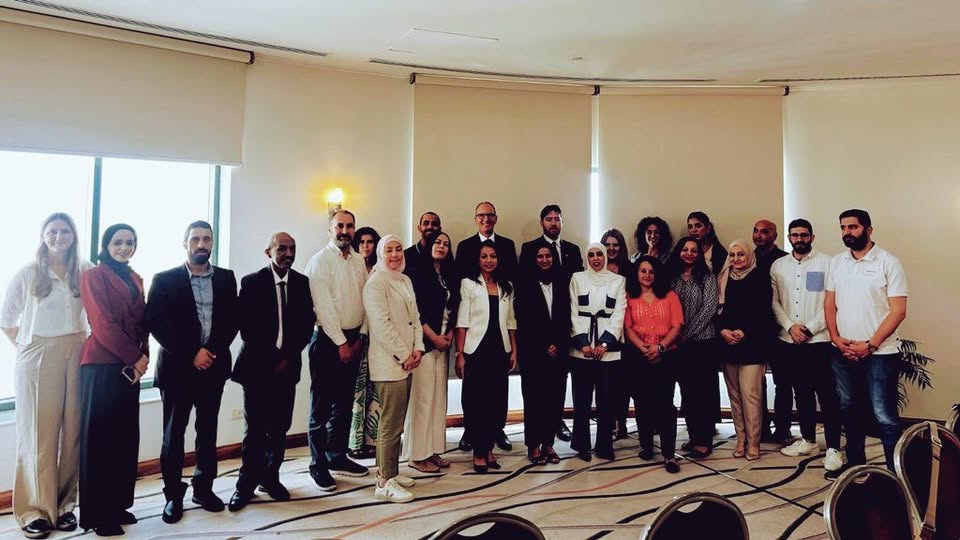
Lawyers for Justice took part in a meeting organized by the Canada Fund for Local Initiatives (CFLI) department of the Canada Representatives office in Palestine, attended by Graham Dattels, Deputy Head of Mission of Canada, along with several local partners. The meeting, which brought together representatives of institutions receiving support from the Fund, highlighted the main challenges facing Palestinians in the West Bank, including settlement expansion, and underscored the importance of human rights and humanitarian projects in reinforcing Canada’s commitment to universal values—particularly in promoting human rights, supporting the rule of law, and empowering marginalized groups. Within this framework, Lawyers for Justice, in partnership with Al-Baydar Organization for the Defense of Bedouin Rights, received a grant from the Representative Office of Canada to implement a project aimed at strengthening the protection of Bedouin communities and marginalized areas in the Jordan Valley and South Hebron Hills, which are frequently subjected to settler violence backed by Israeli occupation forces. The project also supports Bedouin communities threatened with displacement by providing legal advice, documenting violations, and conducting legal awareness activities. The group expresses its appreciation for this support, which will contribute to sustaining its mission of defending rights and freedoms in the face of settlement expansion, land confiscation, and systematic displacement carried out by the Israeli occupation. Lawyers for Justice further emphasizes the importance of international partnerships in confronting violations and advancing justice in Palestine.
Press Release on the Detainee Uday Tareq Ali Al-Saadi, on Hunger Strike in Preventive Security Custody
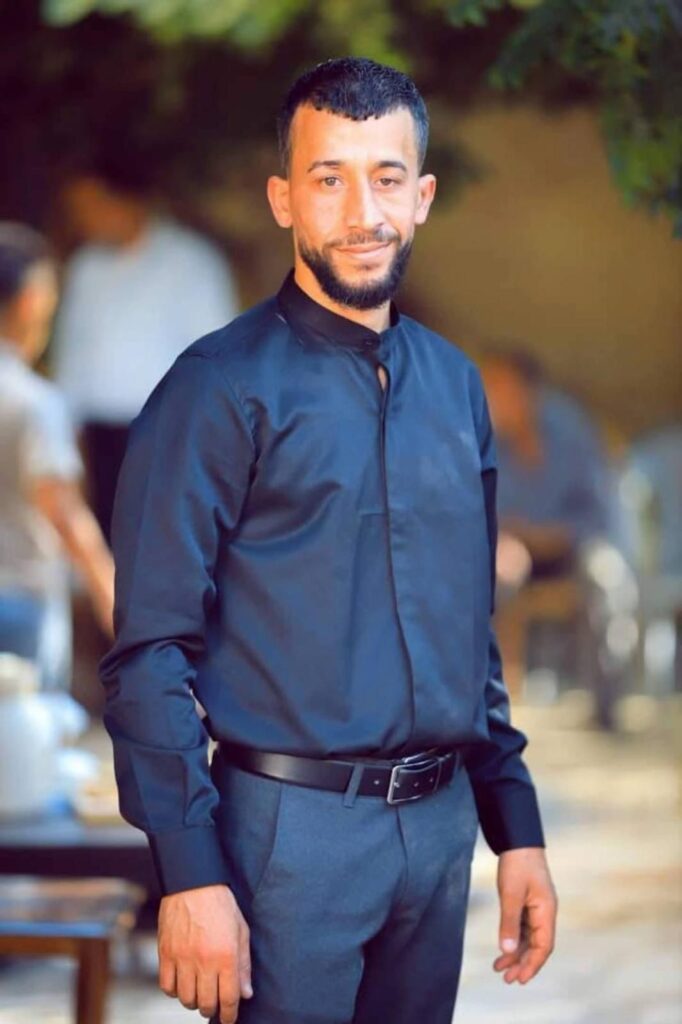
The group “Lawyers for Justice” expresses its deep concern over the continued detention of citizen Uday Tareq Al-Saadi (30 years old), who has been on a hunger strike for the third consecutive day in protest against his unlawful detention by the Preventive Security Service in Ramallah, and his deprivation of rights guaranteed under the Palestinian Basic Law and international human rights conventions. Al-Saadi was arrested without a clear indictment and without being brought before a fair court within the legally prescribed period, which constitutes a blatant violation of his right to liberty, to a fair trial, and to due process guarantees. His decision to go on hunger strike reflects his ongoing suffering and represents a peaceful protest against the arbitrariness and denial of his most basic legal and human rights. We firmly stress the decision of the Administrative Court issued on 17 September 2025, which ruled to release Al-Saadi, establishing that his detention had been unlawful since his arbitrary arrest on 19 February 2025. We warn of the deterioration of Al-Saadi’s health condition, and we hold the competent security and judicial authorities fully responsible for his life and his physical and psychological safety. We emphasize that the continuation of his detention without clear legal grounds constitutes an arbitrary practice that violates Palestinian law and international human rights standards. Lawyers for Justice calls for: We affirm that the protection of rights and freedoms is not subject to delay or justification, and that respect for human dignity, freedoms, and the rule of law must remain the foundation of the relationship between state institutions and their citizens. Lawyers for Justice24 September 2025
Statement Issued by Lawyers for Justice On the Detention and Subsequent Release of Community Activist Ramah Al-Bayaa over Freedom of Opinion and Expression

Lawyers for Justice is deeply concerned over the case of community activist Ramah Al-Bayaa (62 years old) from the town of Beitunia, who was arrested last Thursday evening from her home by the Palestinian police’s General Investigations Unit, without the presentation of an official arrest warrant, according to her testimony. Mrs. Al-Bayaa was interrogated over posts she had published on Facebook and was charged with defaming the Authority under the Cybercrime Law—an excessive and abusive use of this law against public freedoms and freedom of expression. In her testimony to our team, Mrs. Al-Bayaa stated that she was subjected to ill-treatment during interrogation and detention despite her difficult health condition and her suffering from chronic illnesses. She was later transferred to the Military Medical Services before being held for four days at the women’s detention facility in the Balouʿ area – Al-Bireh. She was brought before the Magistrate Court judge in Ramallah last Sunday, where the above-mentioned charge was formally filed against her, after which she was released on personal bail. We at Lawyers for Justice affirm that the right to freedom of opinion and expression is guaranteed under the Palestinian Basic Law and may not be restricted through the use of vague provisions in the Cybercrime Law. We categorically reject the ongoing practices of silencing voices and arbitrarily arresting activists based on their political positions or critical opinions. The group issues an urgent appeal to local and international human rights institutions, as well as to the UN Special Rapporteurs, to take immediate action to end the policy of persecution on the basis of opinion and to hold accountable all those involved in violations of fundamental human rights in Palestine. Lawyers for JusticeRamallah – PalestineDate: 18/09/2025
Press Release A Delegation from the Italian Organization COSPE Visits Lawyers for Justice as Part of a Working Visit to Partners in the West Bank
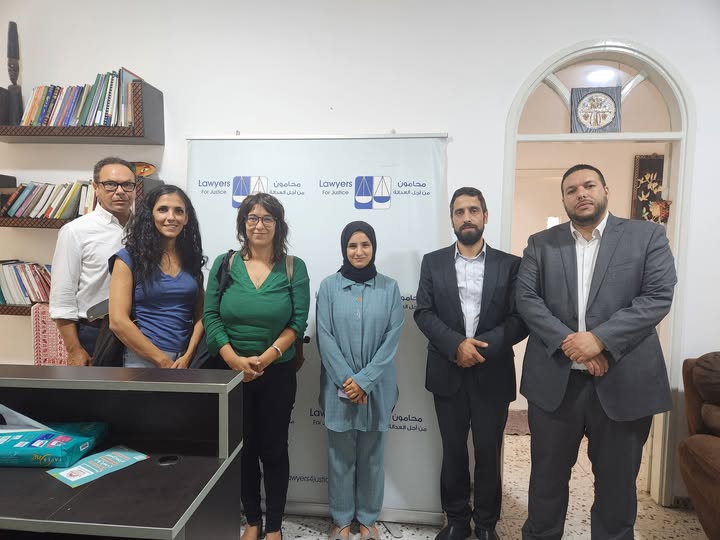
On Sunday, 24 August 2025, Lawyers for Justice in Ramallah welcomed a delegation from the Italian organization COSPE as part of a working visit carried out by the institution to meet with its partners and field teams in the West Bank, under the framework of the OROF project. The delegation included: The COSPE delegation expressed particular interest in meeting Palestinian institutions working on human rights, with Lawyers for Justice being one of the key stops on their agenda, given its role in defending public freedoms and the rights of activists and human rights defenders in the West Bank. The meeting discussed avenues of joint cooperation, recent human rights developments in the Palestinian context, and the challenges facing civil society organizations amidst the escalation of violations. The delegation was also presented with an overview of the group’s work in monitoring and documenting violations and providing legal representation for victims. This visit comes within the framework of strengthening international solidarity, supporting Palestinian institutions engaged in the human rights field, and expanding joint advocacy and lobbying efforts at both local and international levels.
Position Paper Issued by Lawyers for Justice On the Presidential Decree Establishing a Committee to Draft a Temporary Constitution
The birth of the Palestinian National Authority on the land of Palestine was born from the womb of the Palestinian national struggle led by the Palestine Liberation Organization, and it expresses the sacrifices made to consolidate the inalienable national rights, represented in the right of return, self-determination, and the establishment of the independent Palestinian state—rights for which the Palestinian people have offered thousands of martyrs, wounded, and prisoners from among their best sons. Based on this national and historical legitimacy, the Palestinian Basic Law was adopted as the constitutional reference regulating Palestinian political and legal life. Article (115) of Chapter Eight stipulates: “The provisions of this Basic Law shall be applied during the transitional phase, which may be extended until the new constitution of the Palestinian State comes into force.” Accordingly, any attempt to bypass or replace it through presidential decrees and appointed committees constitutes a clear violation of this constitutional rule. First: Constitutional and Legal Issues Second: Affirmation of Rights and Freedoms Chapter Two of the Basic Law (Articles 9–33) enshrines a set of fundamental rights and freedoms that form the cornerstone of any democratic system: equality, personal freedom, the right to a fair trial, prohibition of torture, freedom of opinion and expression, freedom of movement, the right to education and work, the right to union and political organization, and freedom of the press, alongside other social, economic, and humanitarian rights.These rights are binding and must be respected under the Basic Law, and may not be diminished or unilaterally reformulated in a way that threatens their essence. Third: National and Political Implications 1- Deepening of political division if a temporary constitution is imposed without consensus and in disregard of the prevailing national and political reality, rendering it theoretical, disconnected from practice, and ultimately unenforceable. 2- Damage to Palestine’s international legitimacy through entrenching unilateral practices that undermine democracy. 3- Undermining the national and historical rights affirmed by the Basic Law and its binding preamble. Fourth: Recommendations End Lawyers for Justice23 August 2025
Movement for a Dignified Life for Persons with Disabilities in Palestine